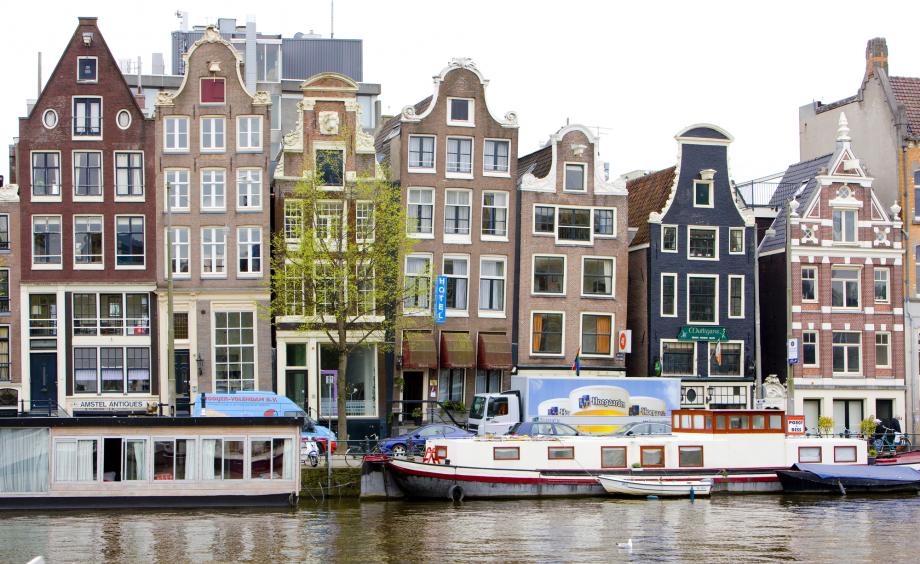
Amsterdam has tightened its rules around short and mid term rentals, making most forms of subrenting illegal unless very specific permits are involved. Classic models such as Airbnb-style sublets, private short term subletting, or renting out a room without permission now fall under stricter enforcement. This affects students, expats, digital nomads, and seasonal workers who used to rely on flexible, low commitment rentals.
The goal of the city is to reduce tourism pressure and reclaim housing for long term residents. As a result, it is now harder to legally pay someone for a room or apartment for anything shorter than a formal lease. Unregistered rentals risk fines for both the person renting and the person staying, which makes traditional subrenting risky.
If you still need somewhere to stay in Amsterdam for a few weeks or a couple of months, you need reliable alternatives that do not fall under the subrental category.
Even with strict regulations, Facebook groups remain one of the most active places where locals post legitimate room offers. These are usually cases where the main tenant has explicit permission from the landlord or where temporary occupancy does not violate the lease. While many offers are real, scammers are also common, so caution is essential.
👉 Tips to use Facebook groups effectively:
• Join groups dedicated to Amsterdam or expat housing.
• Filter posts by people who clearly state landlord approval.
• Prioritize profiles with real history, real photos, and genuine activity.
• Never send money before visiting or signing a simple written agreement.
• Write clear requests using details like arrival dates, budget range, and whether you need registration.
You will often receive replies quickly if your message sounds genuine and flexible. Rooms in shared flats are still offered legally, especially when the landlord knows and approves the arrangement.
For many travelers, the cleanest and safest workaround is HomeExchange. Unlike Airbnb or paid sublets, HomeExchange does not involve monetary rent. Members exchange homes or use GuestPoints, which are not considered payment and therefore do not fall under the subrental ban. As long as both parties agree, the stay is treated as a private arrangement between two individuals, not a rental.
One crucial advantage is privacy: HomeExchange does not share host data with Amsterdam authorities until 2027, which makes it significantly safer for both hosts and guests who want to stay compliant. Because the city’s main focus is on paid, unregistered short term rentals, HomeExchange naturally avoids the issues caused by financial transactions.
This makes it ideal for digital nomads, families, or long weekend travelers who want comfortable accommodation without breaking any rules. And since many Amsterdam hosts are active on the platform, it is often easier to find availability than on traditional rental sites.
House-sitting remains fully legal in Amsterdam because no rent is exchanged. Platforms like trusted sitter communities or private groups allow you to take care of someone’s apartment or pets in exchange for accommodation. It requires flexibility and responsibility, but it avoids all rental restrictions.
Friends of friends, alumni networks, and company relocations are also common sources of temporary stays that do not fall under subrental regulations.
Finding legal accommodation in Amsterdam is still possible if you know where to look and how to stay safe. These guidelines will help:
👉 Practical steps:
• Avoid any listing that requests full payment before arrival.
• Ask the host or tenant to confirm landlord permission if it is a paid subrent.
• Use HomeExchange whenever possible to bypass rent issues entirely.
• Keep communication in writing to avoid misunderstandings.
• Be cautious with extremely cheap listings, which are often scams.
With the right approach, you can still secure a stay in Amsterdam without risking fines or dealing with illegal arrangements. The key is to use safe, non commercial alternatives like HomeExchange and trusted Facebook networks.

Travel Expert
Caitlin Boylan is an American travel writer who’s lived abroad since 2011 in Ireland, Vietnam, Australia, Czechia, England, and now Portugal. She writes about long-term living overseas, cultural immersion, and the messy, honest reality of a life built far from home — usually with a glass of wine in hand and a horse somewhere in the background.