Paris remains one of the most visited cities in the world, but it has also become one of the strictest cities for short term rentals. Travelers who relied on Airbnb in the past now face reduced availability, higher prices, and the risk of booking a stay that may not comply with local rules. Paris restricts tourist rentals heavily, fines illegal listings, and monitors rental activity through data sharing.
This environment has pushed many travelers to look for alternatives that are safe, stable, and easy to book without worrying about legality. HomeExchange has become one of the top options because it operates outside traditional rental regulations and offers a very different travel experience.
If you're visiting Paris in 2026, understanding the differences between HomeExchange and Airbnb can help you choose the best platform for your trip.
Airbnb is considered a commercial rental platform in Paris. This means strict rules apply to hosts:
• Residences principales can only be rented 120 nights per year
• Residences secondaires need a special commercial permit almost impossible to get
• Illegal listings are fined and sometimes removed without warning
This creates uncertainty for travelers who sometimes discover last minute that their reservation has been cancelled or that the listing violates local rules.
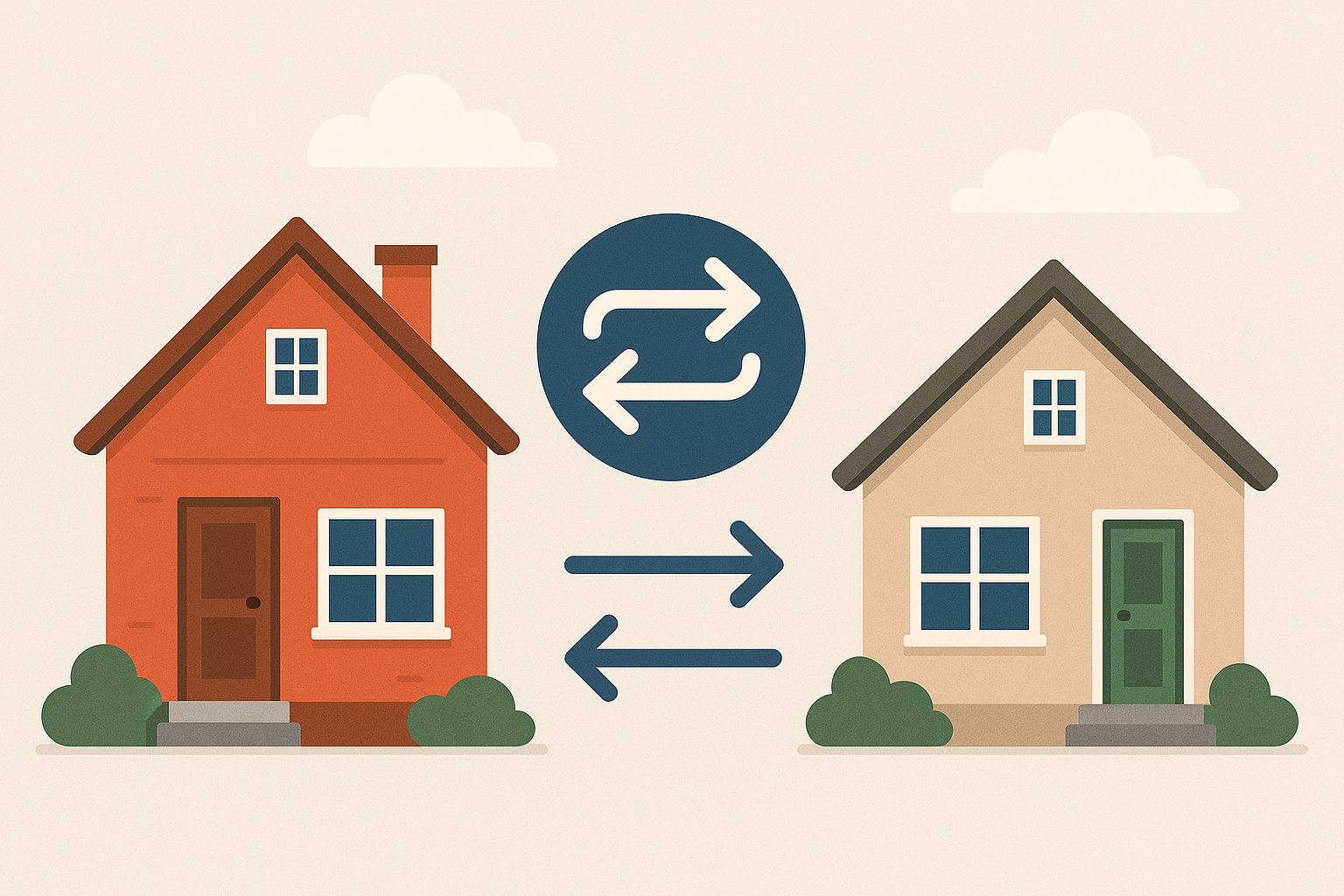
HomeExchange works differently. It is not considered a rental but a private exchange between individuals, often using GuestPoints instead of money. Because it is non commercial, Paris does not apply the Airbnb-style rental restrictions to HomeExchange. This makes it safer for travelers seeking stable accommodation with no risk of last minute removal due to regulation issues.
Even more importantly, HomeExchange does not share host data with authorities until 2028, which limits administrative pressure on hosts and helps maintain consistent availability for travelers.
Airbnb prices in Paris have risen sharply due to limited supply, tourist demand and strict rules. Travelers can often face nightly prices similar to boutique hotels, especially in central districts. Cleaning fees and service charges increase the overall cost.
HomeExchange offers a different kind of value. Stays are based on GuestPoints or direct exchanges, meaning accommodation is essentially free. The only payment is the annual membership. For travelers planning more than one trip per year, the savings are significant. You stay in real homes, often larger and more comfortable than typical short term rentals.
This makes HomeExchange ideal for:
• Families visiting Paris
• Couples looking for long weekends
• Remote workers needing several weeks in the city
• Slow travelers who prefer a local lifestyle
On Airbnb, traveler experiences vary widely. Some hosts are professional, others are absentee managers, and some listings are barely maintained. Because Airbnb is monetized, the focus is often transactional.
On HomeExchange, the dynamic is very different. Members host each other within a community built on trust. Both sides are verified, reviewed, and often homeowners themselves. Stays tend to feel more personal and warm, and hosts usually leave recommendations, maps, and tips for enjoying the neighborhood.
Travelers often describe HomeExchange stays in Paris as:
• More authentic
• More welcoming
• Better suited for long stays
• Less touristy
Due to regulation monitoring and mandatory data-sharing, Airbnb listings in Paris are sometimes removed or suspended suddenly. Travelers booking months in advance have occasionally faced cancellations.
HomeExchange, being non commercial, does not face these compliance issues. Since the platform does not share data until 2028, hosts are under less pressure and listings remain more stable. Your booking or exchange is far less likely to be interrupted.
Airbnb typically favors short stays of a few nights, which can make longer trips expensive. Many Paris hosts set minimum nights, especially during holidays.
HomeExchange shines for longer stays. Travelers can arrange:
• One week in central Paris
• Two weeks with GuestPoints
• A full month for remote work
• Reciprocal exchanges with no GP at all
This flexibility is a huge advantage for slow travelers or people taking advantage of digital nomad freedom.
If your priority is price, security, and stable availability, HomeExchange is often the better choice. It allows you to enjoy Paris like a local, avoid rental restrictions, and book stays that feel more personal and authentic. The absence of data-sharing until 2028 also protects hosts, which indirectly protects travelers from cancellations linked to compliance issues.
Airbnb can still work well if you need a very short, last minute stay or want a hotel-like experience with full autonomy. But with high prices and strict enforcement in Paris, it is no longer the universal solution it used to be.
For travelers who want comfort, flexibility, and peace of mind, HomeExchange is emerging as the top alternative in Paris.

Travel Expert
Caitlin Boylan is an American travel writer who’s lived abroad since 2011 in Ireland, Vietnam, Australia, Czechia, England, and now Portugal. She writes about long-term living overseas, cultural immersion, and the messy, honest reality of a life built far from home — usually with a glass of wine in hand and a horse somewhere in the background.