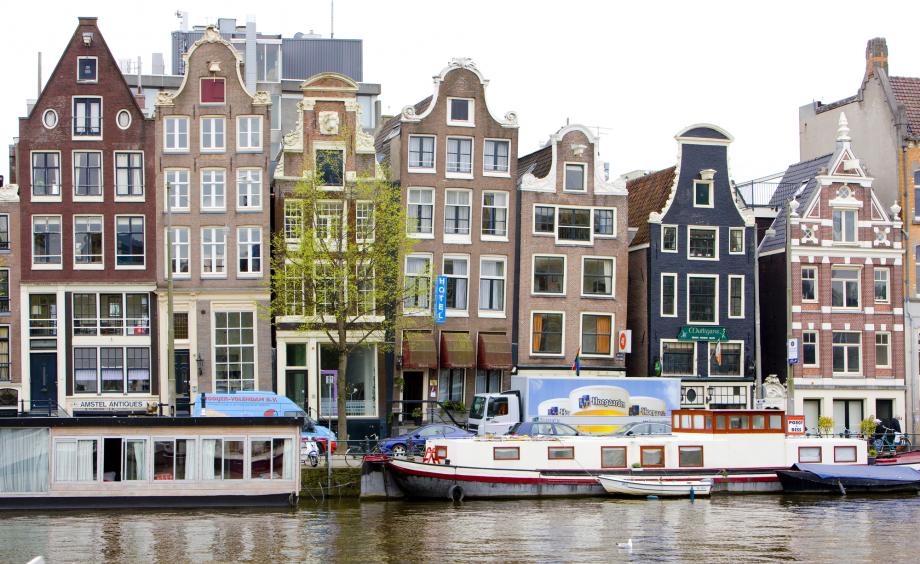
Finding an Airbnb in Amsterdam has become harder every year, and 2026 marks one of the strictest periods for short term rentals. The city continues to limit holiday rentals in order to reduce overtourism and keep housing available for residents. Hosts now need specific permits, must follow strict registration requirements, and face high fines if they rent illegally. As a result, many removed their listings or switched to other platforms.
For travelers, this means fewer available apartments, higher prices, and a real risk of booking a place that turns out to be non compliant. Many visitors do not discover the issue until they arrive and find that the rental is not officially allowed. Because of this uncertainty, most locals now rely on non commercial or semi private alternatives for guests.
If you are planning a trip to Amsterdam in 2026, looking beyond Airbnb is not only smart but often necessary.
HomeExchange has become the most stable Airbnb alternative in Amsterdam, especially as regulations target paid rentals. HomeExchange does not involve monetary rent, so stays are legally considered private exchanges between individuals rather than subletting. This bypasses nearly all short term rental restrictions.
Even more importantly, HomeExchange does not share host data with Amsterdam authorities until 2027, which offers an extra layer of protection to both hosts and guests. Because no money is exchanged, the city does not classify these stays as tourism rentals. This makes HomeExchange one of the safest options for people seeking mid length stays, family trips, or week long visits.
GuestPoints add flexibility, letting you stay in Amsterdam even if you cannot host at the same moment. With many local members active year round, availability is often better than on commercial platforms.
House-sitting remains entirely legal because no rent is paid. Homeowners who travel need someone to watch their home or their pets, and they offer accommodation in exchange. For flexible travelers, digital nomads, or long term visitors, house-sitting can be one of the most cost effective and regulation friendly models in Amsterdam.
It requires responsibility and good reviews, but it avoids all legal restrictions placed on rentals.
For people who prefer renting a room, Facebook groups still function as one of the main ways locals find short term guests legally. Some tenants have landlord permission to rent a spare room temporarily, especially for month long stays.
👉 Tips for using Facebook groups safely:
• Focus on groups with long history and active moderators
• Prioritize posts where the landlord approval is clearly mentioned
• Never send money before a viewing or a written agreement
• Check the profile of the poster carefully to avoid scams
While not as risk free as HomeExchange or house-sitting, these groups remain viable for longer stays when the host is fully transparent.
Here is how to decide quickly depending on your situation:
👉 If you want a safe, regulation proof option: choose HomeExchange
👉 If you want a free stay and can take care of pets: choose house-sitting
👉 If you want a private room and a local experience: use Facebook housing groups
For families, couples, digital nomads, or anyone who wants a comfortable and fully legal stay, HomeExchange usually offers the best balance of safety, privacy, and flexibility.
Amsterdam’s strict rules make traditional rentals difficult, but with the right alternative you can still enjoy a smooth and compliant trip in 2026.

Travel Expert
Caitlin Boylan is an American travel writer who’s lived abroad since 2011 in Ireland, Vietnam, Australia, Czechia, England, and now Portugal. She writes about long-term living overseas, cultural immersion, and the messy, honest reality of a life built far from home — usually with a glass of wine in hand and a horse somewhere in the background.